






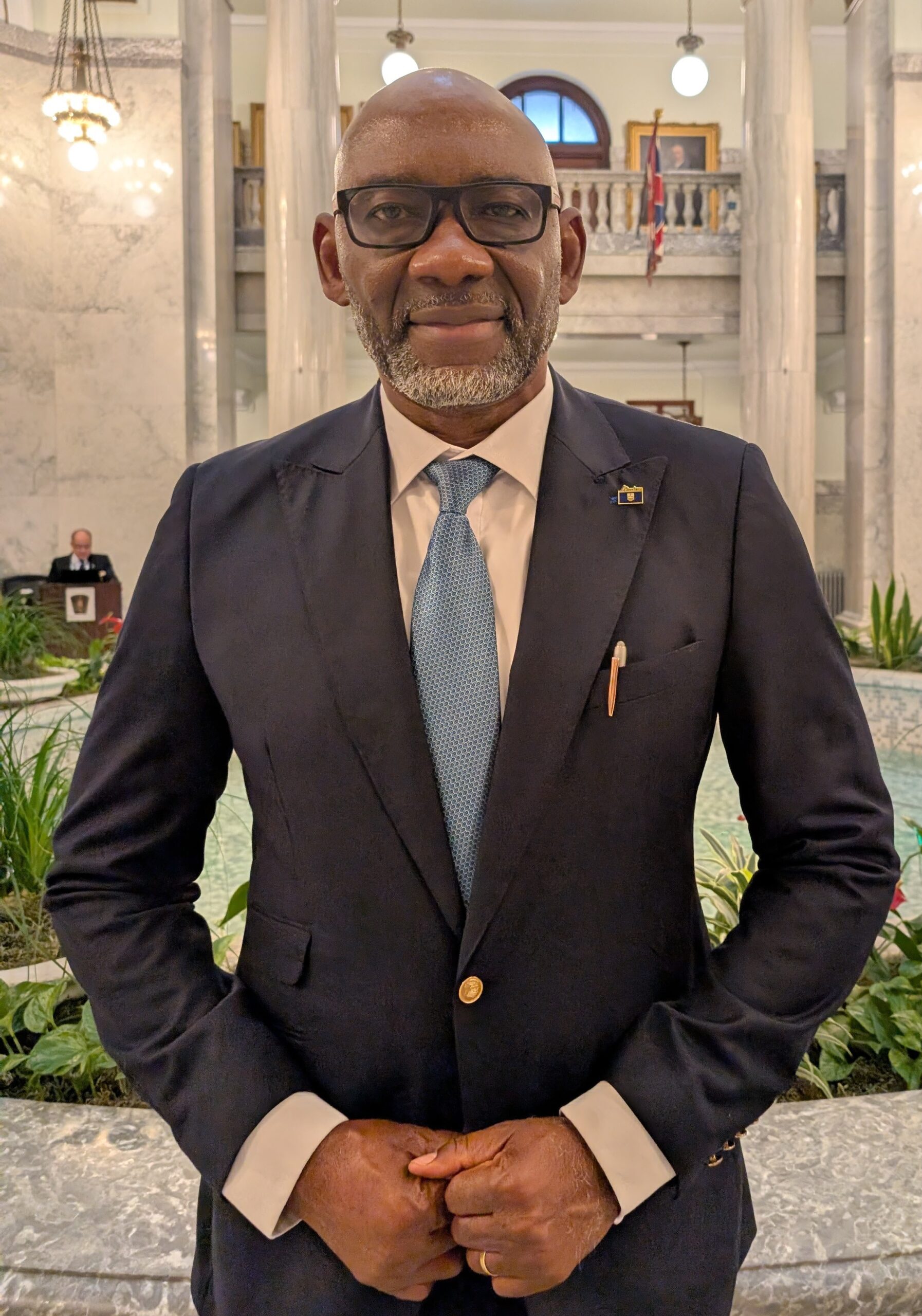

In most rooms I enter, I am already being interpreted before I speak. The real work is not correcting perception in the moment but ensuring that what people eventually experience aligns with what they have heard. For me, becoming the brand is not about visibility. It is about consistency, trust, and how value compounds across every interaction over time.
Trust begins for me with a simple question: “What value is being brought into this situation?” I often explain it through a doctor analogy. A doctor does not change identity based on complexity. The same professional can handle a liver transplant or prescribe medication for a cold. The cases differ, but the value remains anchored in the same capability.
That is how I approach partnerships. Organisations sit at different stages. Some need foundational support. Others require more advanced intervention. My focus is always the same: meeting them where they are and delivering value at that level.
Value is the First Filter
A moment that reinforced this for me came in 2019. I worked with a small business that was struggling significantly, especially during the COVID disruption. We supported them through that period and helped them access the resources they needed to stay afloat.
Years later, I met the founder again at an event. She remembered the support clearly, even though I did not immediately recognise her. She shared how that intervention helped them survive, scale, and eventually open a second location where they now employ about ten people. That experience stays with me. Impact is not always immediate, but consistency is never neutral.
Lived Experience Shapes Trust
My understanding of trust comes from watching my mother build a business under difficult conditions. She was an entrepreneur without formal education or structured support. I watched her sign contracts she could not fully read, relying on explanations that later proved different from what she had agreed to. That shaped my early view of the world.
Trust is not abstract. It is personal. It is fragile. And when it breaks, the consequences are real. That is why I treat my word as a responsibility rather than an expression. I want people to rely on it without hesitation. In my work with founders and institutions, that means they can trust my advice, trust my follow-through, and trust that I am not approaching relationships as transactions.
The focus has never been on immediate exchange. It is on long-term outcomes and the people who benefit from them.
Purpose is Proven Through Work
Purpose is often over-explained and under-demonstrated. There is a line I return to often. You cannot explain passion; you can only live it. I believe purpose works the same way. If your purpose is real, it shows up in output, impact, and what continues to exist because of your work.
For me, purpose is tied to improving outcomes in the communities and ecosystems I work with. That is visible in the businesses that grow, the founders that are supported, and the systems that become more effective through those interactions. The clearest test of purpose is not explanation. It is evidence.
Soft Skills That Move Outcomes
The soft skills that shape my work are grounded in behaviour, not theory. Teamwork is central. I do not position myself outside the systems I work with. I position myself within them. That shift changes how trust develops and how decisions are made.
Communication matters just as much, not only in clarity but in authenticity. People respond to what feels real. Emotional intelligence plays a critical role. It helps me read timing, understand context, and decide when to engage and when to step back. Patience is what allows all of that to hold. Trust develops at its own pace, not at the speed of urgency.
From Capability to Visibility
A gap exists between being capable and being visible, and I have seen it repeatedly. Capability alone is not enough. Visibility requires movement beyond comfort. It requires engaging outside familiar environments and allowing your values to be tested in broader contexts.
Exposure changes perception. It expands relevance. It makes your value legible beyond the spaces where you are already known. Equally important is openness to learning. Growth begins when you are willing to unlearn assumptions shaped by a single environment.
What Makes Me Open Doors for Founders
The first thing I look for in founders is coachability. Not perfection, not polish; coachability. I pay attention to whether they are willing to learn, whether they can receive feedback without resistance, and whether they act on it.
Preparation is crucial. I want to know if they have done the work to understand what they are stepping into. Response to feedback is often the clearest signal. Some founders take feedback, adjust, and return stronger. Others ignore it and remain in the same position. The difference is responsiveness. In this case, that superceded intelligence.
Translating Value Between Institutions and Entrepreneurs
My role often sits between institutions and entrepreneurs, and I see it as a translation. Institutions operate with products and objectives. Entrepreneurs operate with needs and constraints. Value emerges when both sides align correctly.
Misalignment creates friction, even when intentions are good. A simple example is offering a credit card when what a business actually needs is a line of credit. On paper, it looks like a solution. In reality, it creates a mismatch that can harm the business. Sometimes value is about guiding better decisions, even if that means advising against a transaction.
Respect and Credibility Are Built Outside the Room
Respect, to me, is not requested. It is accumulated over time through consistency and how you show up when no one is watching. Credibility is rarely formed in a single moment. It takes shape in patterns people begin to recognise long before you ever speak for yourself.
By the time I enter certain environments, people already carry a version of my work with them. In many cases, my contributions have been spoken about before I even have the chance to contribute directly. That is where I am reminded that reputation is not built on performance alone. It is shaped by what you consistently do over time.
High-stakes rooms do not create credibility. They reveal it. Most of what people think of you in those moments has already been formed outside the room. What is said in your absence often carries more weight than what you say in your presence. This is why consistency outside the room matters more than performance inside it.
I approach people with the same level of respect regardless of scale or status. That consistency in treatment is what people remember and eventually associate with your name. Belonging, in the same way, is not passive. It requires contribution. Presence without contribution does not create legitimacy.
Energy also matters. How you show up, how you engage people, and the tone you set all shape what others carry forward after the interaction ends. Becoming the brand does not happen in isolated visibility. It is about being trusted enough that your presence confirms what your absence has already established.